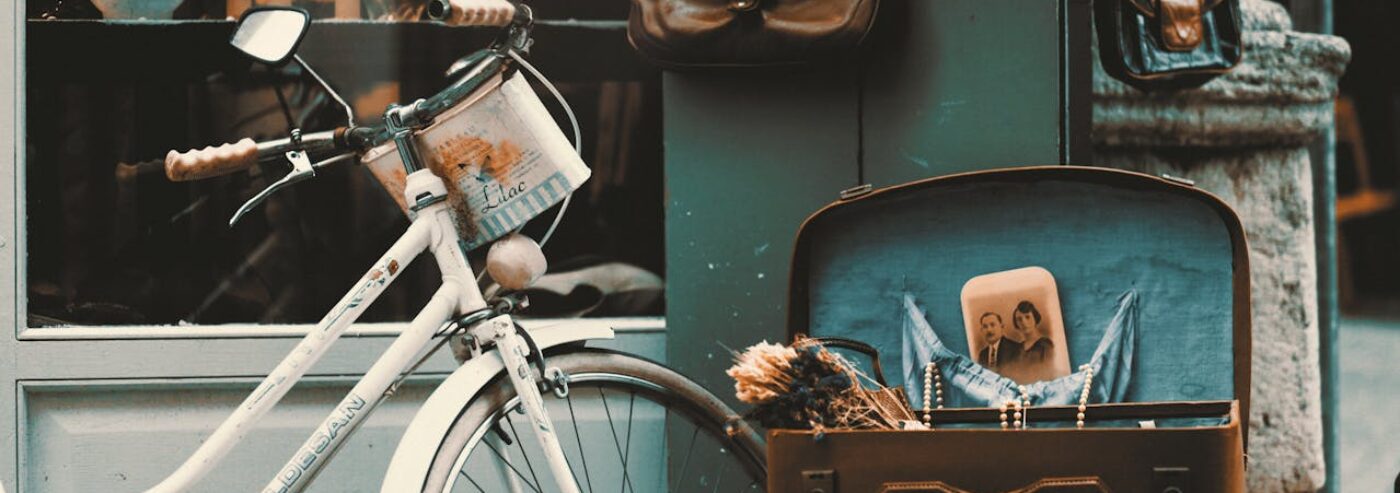
There’s a certain warmth that creeps in when we hear an old song, smell a familiar scent, or flip through faded photographs. It’s a feeling that catches us off guard, stirring memories and emotions that seem to rise up from somewhere just beneath the surface.
Article Sponsored by: Parking Lot Striping Spartanburg
That feeling has a name—nostalgia—and it has a powerful grip on the human heart. We return to it again and again, chasing comfort, connection, and a sense of continuity in a world that’s constantly changing.
But nostalgia is more than a sentimental indulgence. It’s a deep and meaningful part of our experience as humans, serving a purpose that goes far beyond longing for the past. When we look at what draws us back—old TV shows, childhood toys, vintage clothing, or long-forgotten songs—we find that nostalgia reveals not just who we were, but who we are, and what we hold dear.
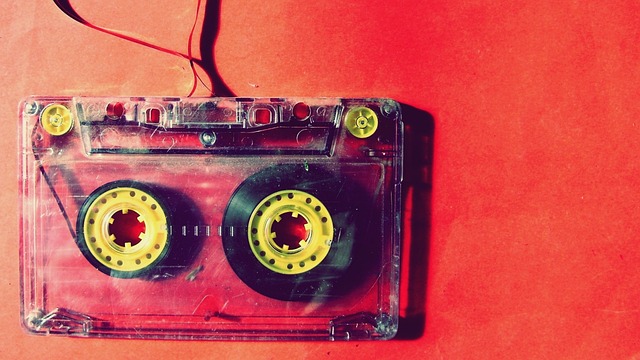
The Emotional Core of Nostalgia
Nostalgia often begins with a trigger. A scent of chlorine brings back summer pool days. A ringtone takes us back to the early 2000s. A taste of a certain candy reawakens childhood birthdays. These small moments open the door to rich inner landscapes, colored not just by memory but by emotion. What we’re remembering isn’t just what happened, but how it felt.
This emotional texture is what makes nostalgia so powerful. It combines happiness with a soft ache—a longing not necessarily for a place or time, but for a version of ourselves that existed in that moment. It’s not unusual to smile and feel a tear at the same time when we revisit something we love from long ago. Nostalgia doesn’t ask us to forget the past—it invites us to feel it again.
And despite the common assumption that nostalgia is purely wistful or sad, studies have shown that it often leaves people feeling more optimistic, more connected, and more at peace. In moments of uncertainty or stress, nostalgia acts as a psychological anchor, reminding us of continuity and resilience.
The Role of Memory and Meaning
At its heart, nostalgia is a storytelling process. Our brains naturally shape and reshape memories over time, casting them in a warmer light. This isn’t necessarily dishonest—it’s a way of creating coherence in our personal narrative. We look back and selectively highlight the moments that made us feel safe, loved, or free.
When we reach for nostalgia, we’re reaching for a story where we felt something that mattered. Whether it’s the joy of staying up past bedtime to watch cartoons, the nervous thrill of a first crush, or the comfort of a familiar family recipe, these memories become part of how we understand ourselves.
Nostalgia also allows us to carry forward traditions and personal touchstones. We recreate childhood meals in our own kitchens. We pass down stories, songs, and heirlooms. Through these acts, we extend the past into the present and share it with others, giving it new life with each retelling or reenactment.
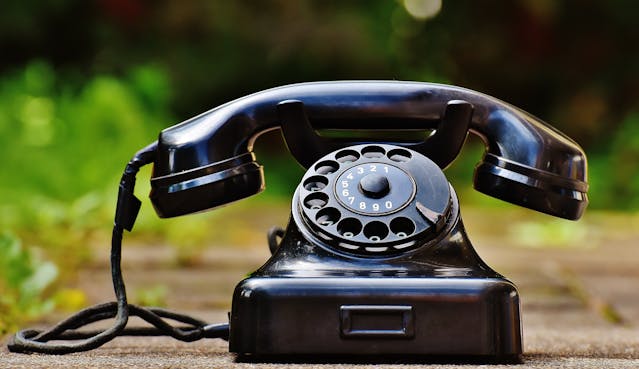
Cultural Nostalgia and Collective Memory
Not all nostalgia is personal. Cultural nostalgia brings us together through shared memories of music, fashion, entertainment, and events. Generations are shaped by the stories and artifacts they grew up with, and these often become points of connection across time.
The resurgence of vinyl records, ‘90s fashion, retro video games, and even reboots of old TV shows is more than a marketing trend—it’s a collective yearning to recapture the spirit of a different era. In a rapidly evolving world, these touchstones offer something familiar, something grounding. They remind us of who we were as a society—and perhaps what we feel we’ve lost along the way.
For many, nostalgia can also serve as a refuge. In a time of global uncertainty, political division, and digital overload, looking back provides a sense of stability. It doesn’t mean we idealize the past or ignore its flaws. Instead, we sift through it for meaning and comfort, returning to moments when the world felt more knowable.
What Nostalgia Reveals About Us
What we feel nostalgic for says a lot about what we value. A person who longs for the quiet mornings of childhood might crave a slower pace in adulthood. Someone who cherishes memories of teenage friendships might be seeking deeper connection today. The memories we revisit are reflections of needs and desires that remain within us, even if their shape has changed.
Nostalgia also reveals our growth. When we look back on who we used to be, we’re reminded of how far we’ve come. We see the layers of ourselves, the moments that shaped us, and the people who helped us become who we are now. Even bittersweet memories carry traces of pride, because they remind us of our resilience, our experiences, and our emotional depth.
Nostalgia as a Creative Force
Interestingly, nostalgia doesn’t only pull us backward—it can also propel us forward. Artists, writers, designers, and entrepreneurs often draw inspiration from the past, reshaping it into something new. That inspiration is a kind of dialogue between memory and imagination, combining the comfort of familiarity with the excitement of reinvention.
People may renovate old homes to preserve their character while updating them for modern life. Musicians sample vintage tracks to create new sounds. Fashion revives old silhouettes in contemporary fabrics. These acts are not mere repetition—they’re expressions of nostalgia as a living, creative force.
Honoring the Past, Living in the Present
There’s a difference between living in the past and honoring it. Nostalgia becomes most powerful when it enhances our appreciation for the present, rather than eclipsing it. It can help us reconnect with what’s meaningful, ground us in our personal history, and remind us to hold onto joy wherever we find it.
When we allow nostalgia into our lives in intentional, reflective ways, it becomes more than a sentimental indulgence. It becomes a source of wisdom, connection, and even healing. It reminds us that time is not a straight line, but a series of loops and echoes. And within those echoes, we often find the most genuine parts of ourselves.
So the next time a certain song, smell, or object transports you back, let it. Walk through that open door. You may just return to the present with a fuller heart—and a deeper understanding of who you’ve always been.
Thank you for visiting our site. If you have any comments or questions, please contact us today. We also ask that you visit our sponsor Spartanburg Parking Lot Striping.