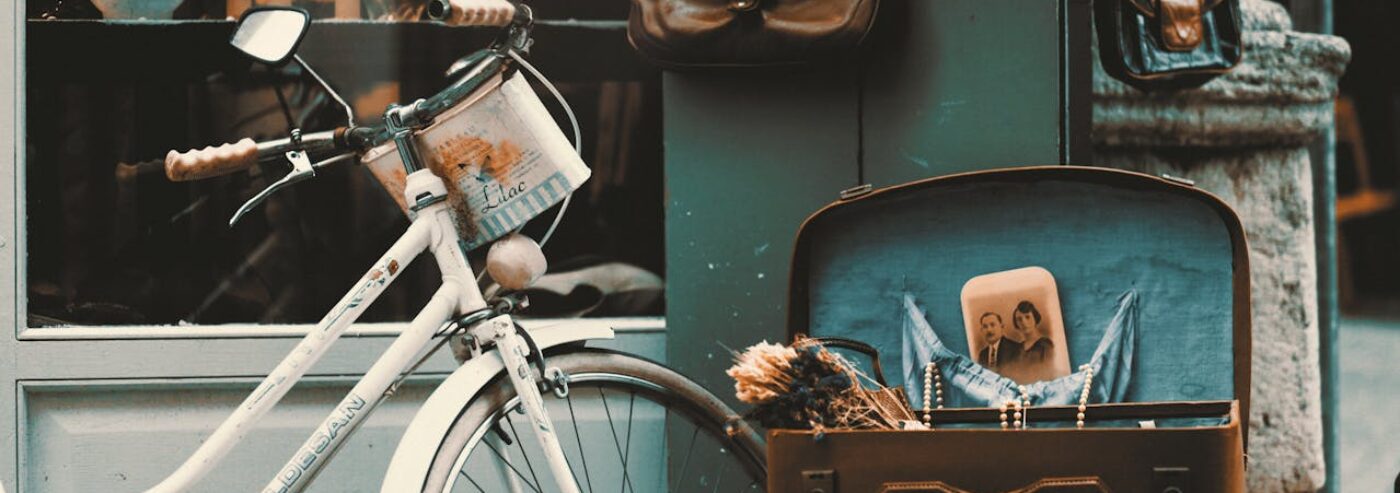
We often think of the things we own as simply tools or conveniences—items that serve a purpose, make our lives easier, or fill our spaces. But our belongings are far more than inanimate objects. They tell stories. They reflect our values, habits, and even our inner lives.
Article Sponsor: Sealcoating Greenville
Whether we realize it or not, the things we keep close reveal subtle clues about who we are and how we move through the world.
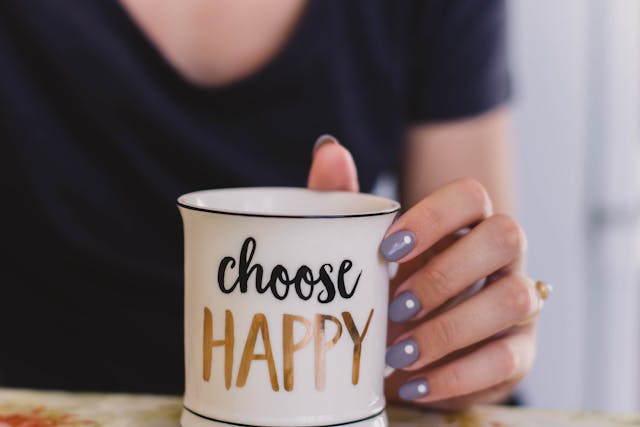
Take a moment to look around your home or workspace. What do you see? Maybe a well-worn coffee mug, a stack of books, a pair of running shoes, or a collection of fridge magnets from places you’ve visited. Each item carries a piece of your personal narrative, silently shaping your identity and offering a window into your life—if you’re willing to look closely enough.
The Emotional Weight of Objects
While some things are purely functional, many hold deeper emotional significance. A chipped plate from your grandmother’s kitchen might not match your decor, but it stays because of the memories it holds. An old sweatshirt from college might be long past its prime, but wearing it feels like revisiting a part of yourself you’re not ready to let go of.
These kinds of objects act as memory holders. They ground us in our past, remind us of the people we’ve loved, and anchor us to moments we want to keep close. Even small, seemingly trivial items can become meaningful because they’re tied to feelings we don’t always have words for. The objects become surrogates for the experiences they represent.
It’s no surprise, then, that we form attachments to things that carry emotional resonance. We keep letters, photos, souvenirs—not just for what they are, but for how they make us feel. These items live quietly among us, serving as emotional bridges to different times in our lives.
Clutter or Clues?
While we may sometimes complain about clutter, the things we collect often offer insights into our personalities. A minimalist might find peace in bare surfaces and clean lines, valuing simplicity and clarity. Meanwhile, a person with shelves full of knickknacks and trinkets might find joy in the richness of their surroundings, comforted by reminders of people, places, and moments.
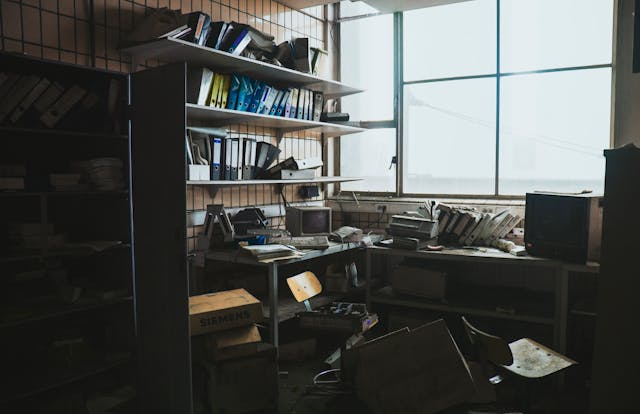
Even seemingly chaotic spaces often have their own internal logic. The books piled on a nightstand, the tangle of art supplies in a drawer, or the collection of expired concert tickets taped to a wall all point to something meaningful. They’re not just “stuff”—they’re artifacts of our preferences, passions, and histories.
The way we interact with our belongings also says something about us. Do we display things proudly, or tuck them away for safekeeping? Do we rotate our items regularly or keep the same setup for years? These choices reflect how we relate to time, to memory, and to change.
Functional Objects, Hidden Stories
Even the most ordinary objects—the kind we barely notice—can have quiet significance. The umbrella you keep by the door might not seem remarkable, but perhaps it was bought on a rainy day that turned into an unforgettable adventure. The kitchen timer you use daily could be the same one your mother used, carrying forward a legacy of family meals and warm kitchens.
Often, it’s these overlooked items that hold the most authentic glimpses into our routines and values. A frayed yoga mat suggests a commitment to self-care. A box of tools in the garage may indicate a love for fixing things, creating, or building. The way we choose to care for—or neglect—our belongings also offers insight into how we prioritize different areas of our lives.
We rarely stop to consider how much meaning we assign to our things, but once we do, it’s hard not to see our belongings differently. They aren’t just scattered around us—they’re speaking, softly, of who we are.
The Psychology Behind Our Attachment to Objects
Our relationships with our belongings are rooted in psychology. Researchers have found that people tend to personify their possessions, especially those they’ve had for a long time. This is why getting rid of certain items—no matter how impractical they may be—can feel like a loss.
These emotional ties are often reinforced by the way objects help us express identity. We wear clothes that align with how we see ourselves. We decorate our homes to reflect our tastes. We carry bags filled with the tools of our everyday lives—items that vary depending on our roles, responsibilities, and interests.
Moreover, our belongings serve as extensions of ourselves. They help us communicate nonverbally with the world. A desk covered in creative chaos might signal a free-spirited thinker. A planner meticulously filled with color-coded appointments might suggest a person who values structure and discipline. In this way, the things we surround ourselves with can act as quiet messengers, projecting elements of our personality outward.
Letting Objects Speak
Paying attention to your belongings can be a powerful exercise in self-awareness. Ask yourself: What things do I use every day? Which objects bring me the most comfort? What have I held onto for years, and why?
Often, you’ll find that your most cherished possessions aren’t the most expensive or impressive—they’re the ones infused with memory, meaning, and personal history. You may also discover that certain objects no longer serve you, revealing that you’ve outgrown a particular phase or identity.
In learning to “listen” to our belongings, we uncover the deeper layers of who we are. The objects around us become a kind of mirror—reflecting our values, our dreams, and our journeys.
Finding Magic in the Mundane
There’s something beautiful about realizing that even the most ordinary objects have secret lives. When you begin to notice the stories behind the things you own, the world becomes a bit more alive, more layered, more meaningful.
Your belongings aren’t just tools or decor. They are markers of time, expressions of identity, and quiet companions in your daily life. They may not speak, but they remember. And in their quiet presence, they remind you of who you are—and how far you’ve come.
Thank you for visiting our site. We hope you are finding some fun and useful information. If you have any fun stories to share or if you want to connect with us, please contact us today. We also ask that you visit our sponsor Asphalt Sealcoating Greenville.