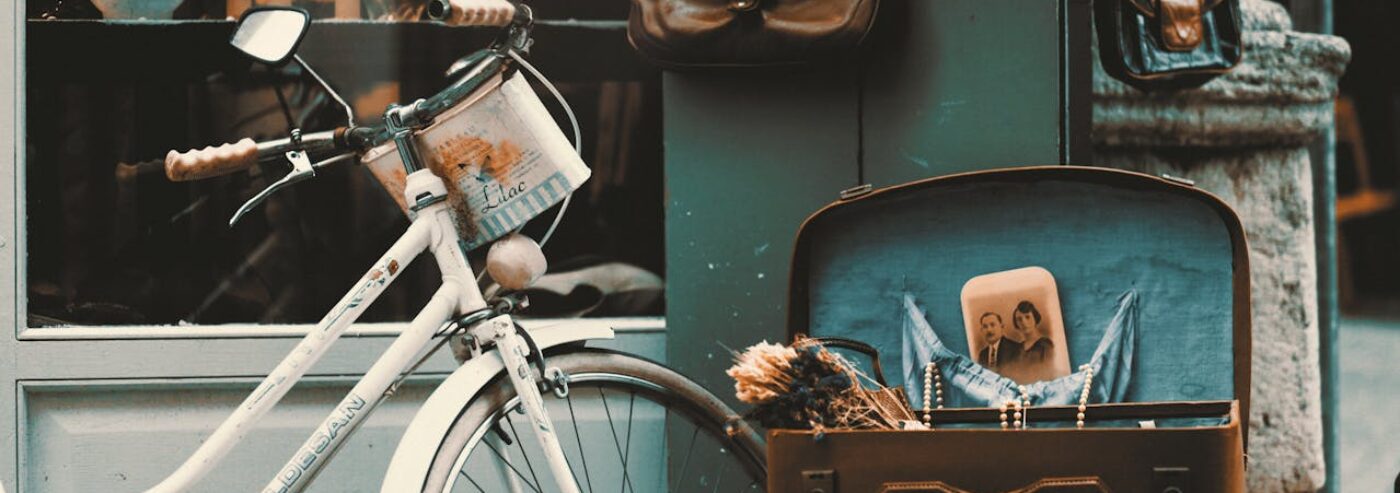
There’s something deeply comforting about nostalgia. It’s a warm, familiar feeling that transports us back to a time when life seemed simpler, when the world felt smaller and safer. Whether it’s a song from our teenage years, the smell of an old book, or the flickering glow of a childhood cartoon, nostalgia has a way of reconnecting us to our past in a way that feels almost magical. But why does nostalgia have such a strong hold on us? And what is it about certain objects, sounds, or experiences that trigger those powerful emotions?

The Science of Nostalgia
Nostalgia isn’t just an emotional experience; it’s a deeply rooted psychological and neurological process. Studies have shown that nostalgia activates multiple areas of the brain, including the hippocampus, which is responsible for memory, and the limbic system, which controls emotions.
Interestingly, nostalgia is often triggered by sensory experiences—things we see, hear, taste, or smell. A certain perfume might remind us of a loved one, a song might take us back to a summer road trip, or the taste of a childhood dish might instantly transport us to our grandmother’s kitchen. These sensory connections are powerful because they tie emotions to memories, making them feel more vivid and real.
But nostalgia isn’t just about remembering the past—it’s about how we remember it. Our brains have a tendency to filter out the difficult or mundane parts of our past, leaving us with idealized versions of certain times in our lives. This “rose-tinted” view is part of what makes nostalgia feel so comforting and desirable.
The Role of Nostalgia in Our Lives
Why do we seek out nostalgia, especially in times of stress or uncertainty? The answer lies in its ability to provide emotional grounding. When the world feels chaotic, nostalgia offers stability. It reminds us of who we are, where we’ve been, and what has shaped us.
For many, nostalgia is tied to childhood and adolescence—the times when we were still discovering the world, forming our first friendships, and experiencing emotions with fresh intensity. As adults, returning to those moments through nostalgic experiences allows us to reconnect with the excitement, innocence, and simplicity of our younger selves.
Nostalgia also plays a significant role in social bonding. Shared memories of cultural moments—such as old TV shows, iconic fashion trends, or classic video games—create an immediate connection between people. It’s why we love reminiscing with friends, revisiting old haunts, or attending high school reunions. Nostalgia builds a bridge between the past and the present, strengthening our sense of identity and belonging.
The Power of Music, Movies, and Pop Culture
Few things trigger nostalgia as powerfully as music and pop culture. A single song can instantly bring back a flood of memories—where we were, who we were with, and how we felt at the time. Music has a way of embedding itself into our personal histories, serving as a soundtrack to the moments that define us.
Movies and TV shows have a similar effect. The opening credits of a childhood cartoon, the theme song from a beloved sitcom, or a scene from a favorite film can transport us back in time with surprising intensity. Streaming services have tapped into this love of nostalgia, bringing back old classics and rebooting beloved franchises to give people a chance to relive their favorite stories.
The rise of retro trends in fashion, gaming, and entertainment further proves that nostalgia is more than just a fleeting emotion—it’s a cultural force. Vinyl records, vintage-inspired clothing, and classic video game consoles all thrive because they allow people to revisit and relive the past in tangible ways.
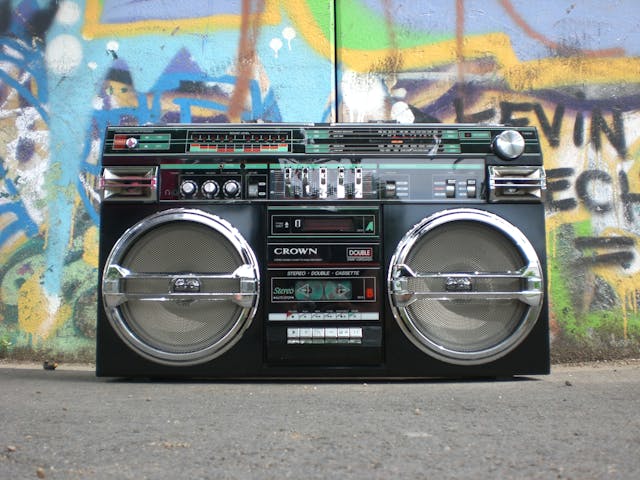
Objects as Time Capsules
Physical objects also hold deep nostalgic value. A childhood toy, an old photo album, a handwritten letter—these are more than just things; they are time capsules, holding memories that transport us back to specific moments in our lives.
One reason objects carry such nostalgic weight is because they are tied to personal experiences. A worn-out stuffed animal might remind someone of the safety of home, a concert ticket stub might bring back memories of youthful adventures, and an old-school video game controller might recall hours spent playing with childhood friends.
Minimalist trends encourage us to declutter, but nostalgia reminds us why we hold onto certain items. These objects don’t just take up space; they hold pieces of our personal history. They remind us of who we once were and offer a tangible connection to our past selves.
The Bittersweet Nature of Nostalgia
While nostalgia is often comforting, it can also carry a sense of longing or melancholy. Remembering the past can sometimes make us yearn for a time that no longer exists or remind us of people and places we’ve lost. This is why nostalgia is often described as bittersweet—it brings both joy and a quiet ache.
However, this emotional complexity is part of what makes nostalgia so meaningful. It allows us to honor our past while appreciating our present. Instead of seeing nostalgia as a way to escape reality, we can use it as a way to reflect, reconnect, and carry the best parts of our past forward.
Embracing Nostalgia Without Living in the Past
Living curiously means embracing nostalgia without getting stuck in it. While it’s comforting to revisit old memories, it’s important to continue creating new ones. The things that bring us nostalgia today were once fresh and exciting—we were present in those moments, fully experiencing them as they happened.
By allowing ourselves to feel nostalgia while also staying open to new experiences, we create a balanced relationship with our past. We can honor the things that shaped us while making space for the memories we’ll look back on in the future.
The beauty of nostalgia is that it reminds us of how much we’ve lived, loved, and experienced. And as long as we continue to move forward with curiosity and openness, there will always be more moments worth remembering.